From Field to Fibre - The British Mohair Story
British Mohair is not just high quality mohair, it is the end product of a carefully crafted collaboration between three players – small British family farms and their Angora goats as mohair producers, British Mohair Marketing Ltd as the organisational and logistical hub, and SEAL International as the exclusive commercial processing partner, each contributing their own expertise to build a vertically integrated supply chain which benefits all parties, bringing the stability required for long term investment in production, development of marketing and branding and processing and sales of finished mohair to new and existing customers.
The British Mohair Story - Producers
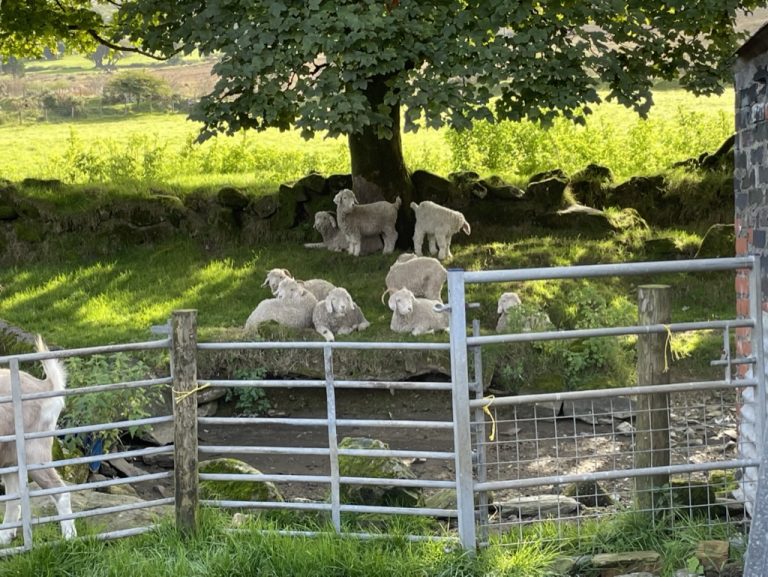
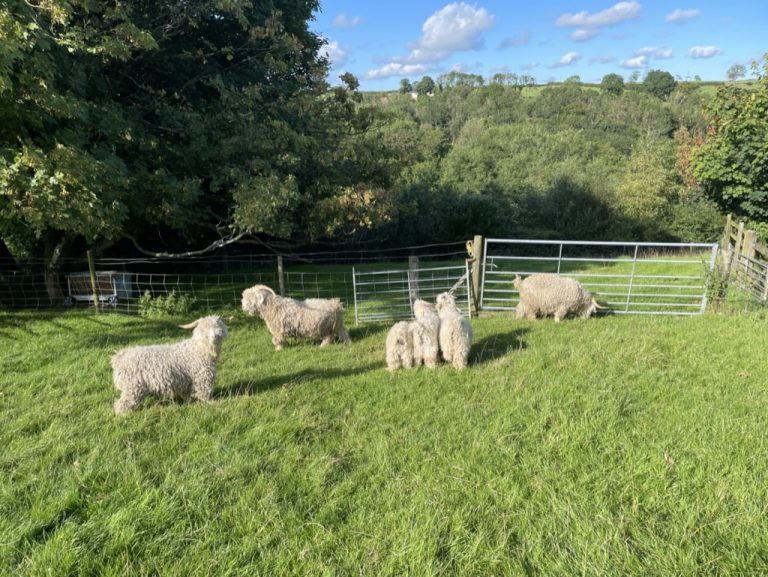
It all starts with a goat! Actually several hundred Angora goats. Resting peacefully in the shade along with other Angora goats in a field on a small family owned farm somewhere in Great Britain. One of a few dozen small family farms from Penzance to Thurso and Pembrokeshire to Norfolk, where they are raised for their fleece – Mohair, often referred to as “The Diamond Fibre” for it’s superb lustre and extreme softness.
These are big not commercial farms with hundreds of animals but small family-run farms where the animals are part of the family, individually known and lovingly cared for. Their health and well being are at the top of the agenda, since healthy animals produce more mohair and of better quality. The finest and most valuable mohair comes from the youngest goats and it grows at up to 2cm per month, so twice a year the animals are brought into the shed and carefully sheared before the mohair gets too long and starts to mat and become too contaminated with seeds, leaves and other materials.
Shearing usually takes place in January/February just before the does give birth and again in July/August at the height of the summer.
Shearing is a slow process since the goat’s skin is very soft and loose and avoiding cuts is the highest priority. At the same time, gentle handling reduces stress and makes the process smoother and easier for both the goat and the shearer. Shearing is not a painful process for the goat, just like having a haircut and after a few minutes they walk away with a new spring in their step, having lost anything up to 5 kilograms of fibre! If the weather is cold and/or wet they will usually be kept inside for a few days to acclimatise.
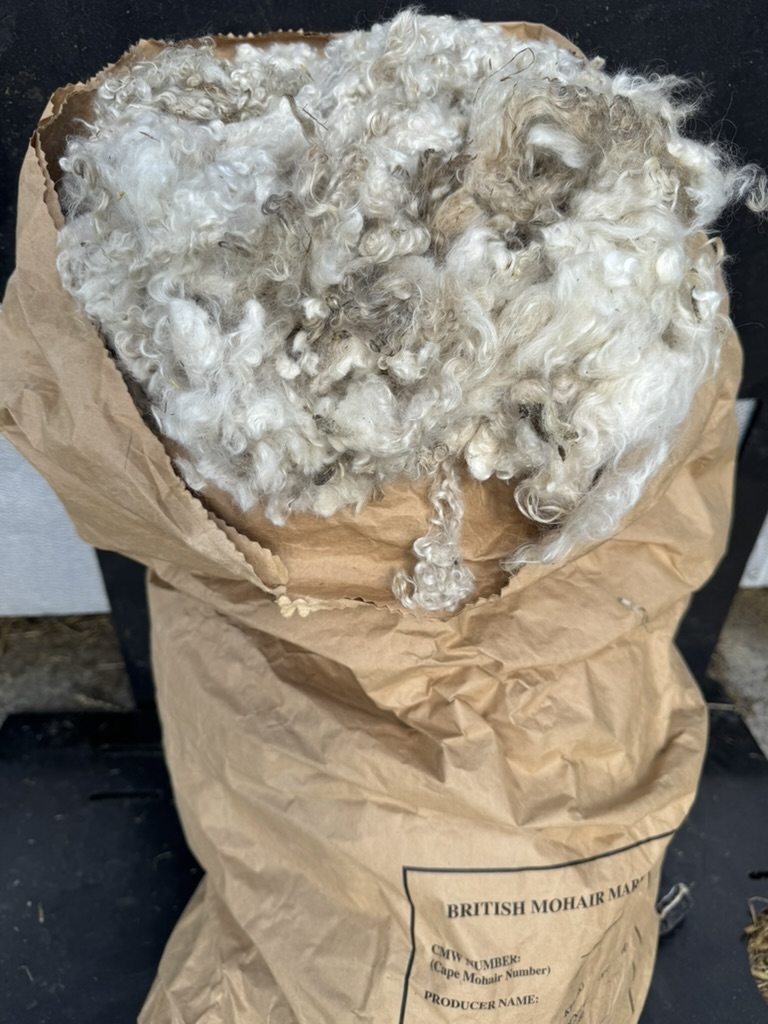
The raw fibre is collected and then the larger bits of vegetation and staining is removed by hand before the fleece is packed into paper sacks and safely stored. In the UK three main grades of mohair are recognised, kid, young goat and adult (with kid being the most valuable, but all grades have different purposes and will be processed separately).

But as with all things, producing quality, mohair whilst maintaining the highest standards of animal health and welfare require constant attention to details. Things have moved on a lot since the original “Five Freedoms” model of animal welfare was published and the more recent “Five Domains” model takes a much broader view of the subject. This latest research indicates that animals benefit from positive human interaction and this is especially true of goats. They are always inquisitive, watching what you are doing and looking for ways to get up to mischief.
Correct nutrition is high on the agenda since Angora goats produce so much hair (as opposed to wool) that they need high levels of sulphur in their diet to maintain fibre production. It is often thought that goats will eat anything, but whilst they will chew on anything as a way of investigating it, they can actually be very picky eaters. They are also browsers rather than grazers and are in their element when chewing through a hedgerow (or a flower bed) rather than field of grass. This behaviour is a key element in the current trends towards sustainable farming in the UK.
Like all small ruminants they are subject to a variety of parasites and ailments and often do a very good job of hiding the facts. With daily contact our producers soon spot when a goat is a bit off colour and can then investigate in a timely manner, including veterinary intervention where necessary.
Angora goats typically live for up to 12-15 years and the does will usually raise offspring up until the age of 8-10 years old. Angora continue to produce mohair until their demise, albeit in smaller volume and of lower quality and many producers operate on a “no kill” policy, allowing their goats to spend a comfortable retirement in familiar surroundings and in the company of familiar faces.
Producing high volumes of high quality mohair does not happen by accident and it takes time. Increasing attention is paid to genetics since many of the desirable traits like fleece quality, fleece weight and birth weight of kids are heritable. Over generation it is possible to make substantial gains but it does take several years and a lot of data collection and analysis. The evolution of the British Mohair story, involving a reliable buyer and fair prices which are in line with global trends provides the stability and reassurance needed to for producers to invest the time and effort to build a solid foundation for the British Mohair supply chain.
The British Mohair Story - Organisation
Commercial buyers for Mohair need significant volumes and a reliable source of supply, both of which can be very challenging for a small producer who may be producing less than 100kg of fleece per year. This makes the financial side of mohair production a risky venture.
By pooling the output from a larger number of suppliers, some big and some small, British Mohair Marketing is able to meet the needs of both parties – a reliable buyer for the producer, and a high volume for the processor.
British Mohair Marketing Ltd is a mutual company owned by the producers that was established almost 40 years ago to provide services relating to the production, collection, consolidation, and sale of members raw mohair fleece in a convenient and profitable manner. Over the years we have sold through various channels, including exporting to the global auctions in South Africa. However, with then passage of time the markets have changed and our members needed a different approach that provided the stability and reassurance of a consistent approach to allow them to invest.
The global production of mohair is 4,500-5,000 metric tonnes per annum, with much of that production (from many countries) being traded through the auctions in South Africa. It may be a high value, luxury product, but mohair is still basically a commodity. British Mohair production represents less than a fraction of one percent of the global market which leaves us few choices.
For small suppliers to survive in commodity markets they must either be less expensive (or faster) than everyone else or their product must have some attribute which buyers perceive to be valuable that cannot easily be replicated by other suppliers. EU regulations regarding advertising make most marketing claims invalid without factual third party verified data, but there is one attribute that can be claimed that is easy to defend and very difficult to replicate – geographical location of production. Thus the concept of “British Mohair” produced in Britain was conceived.
A consistent approach to branding and marketing our product helps all producers, whether they contribute their mohair to the collective pool, or process independently to create finished mohair products like yarns, fabrics and other items.
However, raw mohair needs specialised processing to realise the true value of the finished product and whilst a few decades ago the epicentre of the global mohair trade was in Bradford, the majority of that infrastructure has now disappeared.
Following discussions with SEAL International it became clear that they shared our vision and with decades of expertise in Mohair processing and sales to many industries and countries they were ideally placed to complete the geographical limitations which were central to the idea of British Mohair. British Mohair Marketing and SEAL International agreed a multi year deal as the exclusive processing partner for BMM and British Mohair.
Each year BMM and SEAL agree a price with reference to the global prices set in the South African auctions that reflects the unique provenance of British Mohair and the much lower transport costs. In this way the small British mohair producers get a fair price for their mohair (irrespective of whether they produce 5 or 500kg) and SEAL benefits from the exclusivity of a unique product of which embodies the high animal welfare standards and environmental concerns without sacrificing quality, which today’s discerning customers demand.
The British Mohair Story - Processing
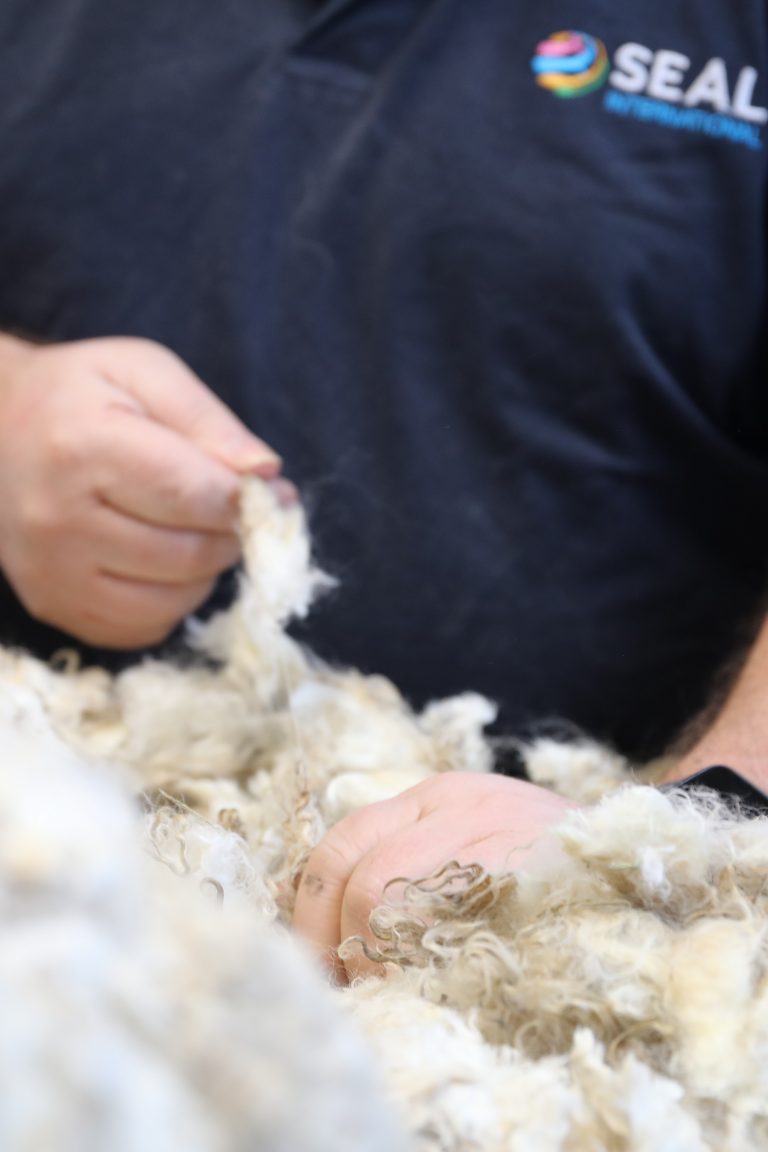
Given the limited volumes of British Mohair our collaboration relies on three grades, Kid mohair from young animals (the finest and most valuable), Young Goat from slightly older animals which are moving towards adulthood and breeding, and Adult, which is coarser but still finds many applications in upholstery and other areas.
Although producers carry out initial grading before sending their mohair to the BMM collection, on arrival it is sorted and checked again by the the experience professionals at SEAL who will ensure that the quality in each grade is maintained and consistent.
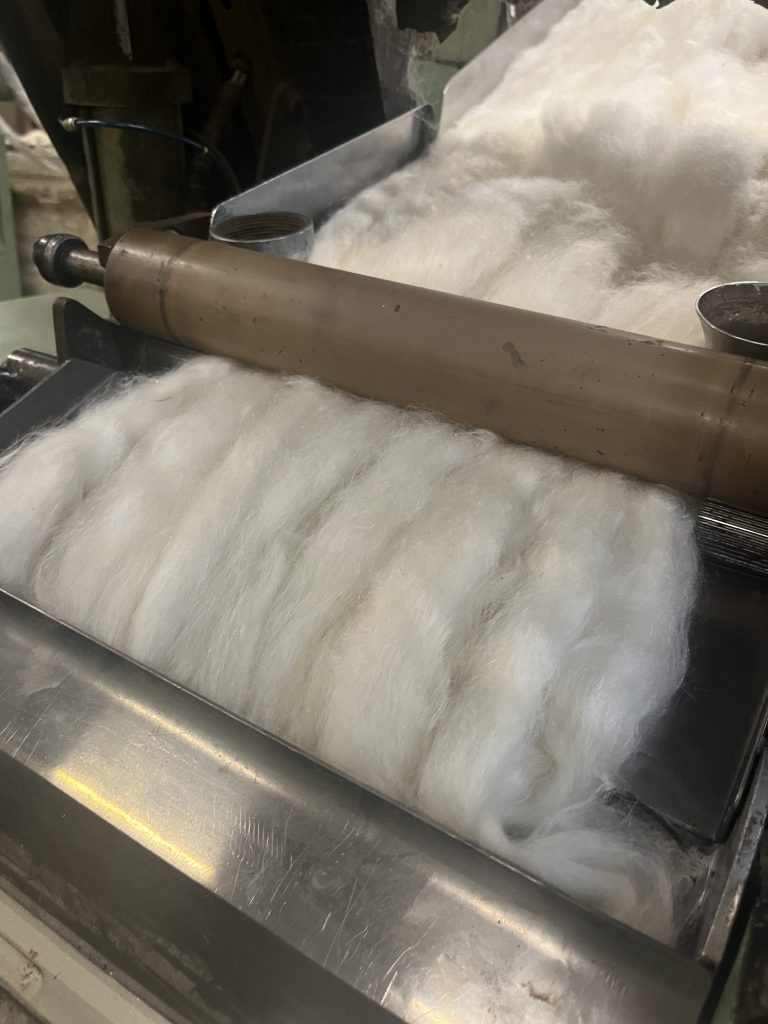
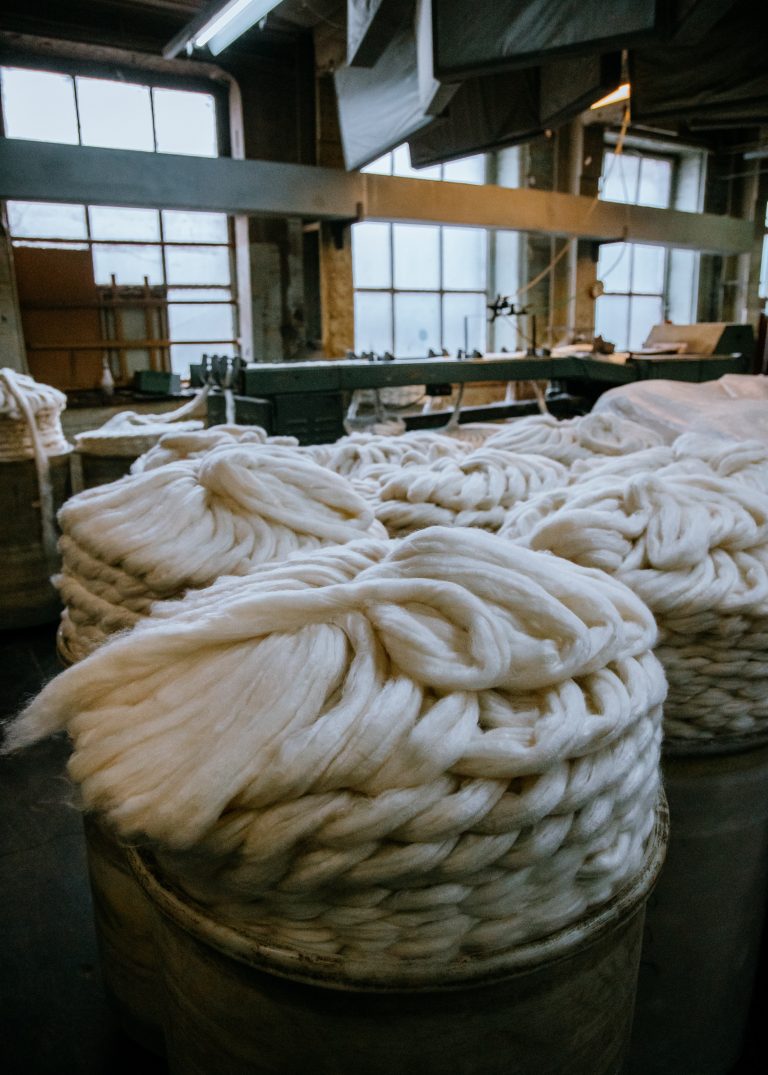
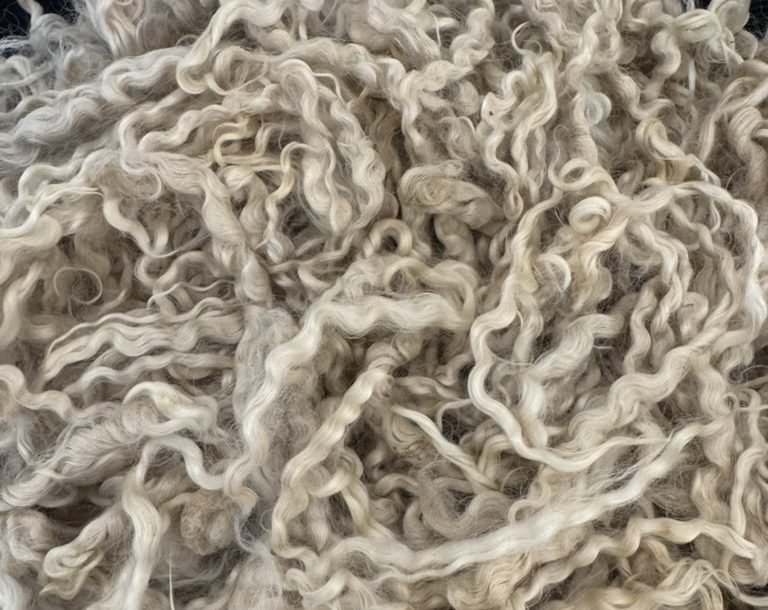
Then the complex process of turning raw “greasy fleece” into luxurious and lustrous mohair begins. First it is washed (scoured is the official term) and then moves on to pass through a variety of machines which have been developed over many years of fibre processing, to separate the fibres, align them, blend and create rovings in preparation for finishing process like spinning, dyeing and weaving.
Throughout the entire processing journey, from initial grading to final product the British Mohair is kept separate from fibre from other sources to maintain the integrity of the geographical origin of the product.
Much more detail can be found here on the SEAL website.